Teacher Salary in Bahrain (2026): What Teachers Really Earn
If you are considering a teaching job in Bahrain, the headline salary is only half the story. Two teachers with the same job title can take home very different amounts, because pay in Bahrain depends heavily on the type of school, your experience and qualifications, and — just as importantly — whether housing, flights and medical cover are included in the package.
This guide brings together published salary surveys and live 2026 job advertisements to show what teachers in Bahrain actually earn, what the typical benefits package adds, and whether that pay covers the cost of living. All figures are given as ranges, because no single number describes every school. Where a figure comes from a survey or a job ad, the source is named in the notes at the end of the post.
Teacher Pay Converter
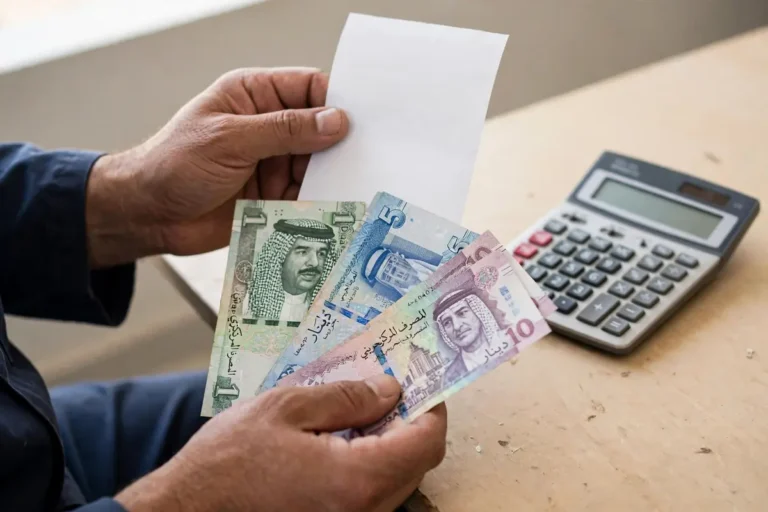
Enter a monthly salary in Bahraini dinars to see the yearly equivalent and an approximate hourly equivalent. This is a simple converter, not a tax or SIO calculator — Bahrain has no income tax, and SIO deductions are small (see the post).
How it works: yearly = monthly × 12. Hourly = yearly ÷ (weekly hours × 52). The hourly figure is an approximation: it spreads a monthly salary over 52 weeks, while school contracts usually run on an academic year (about late August to June) with paid holidays, so the true hourly rate during term time is higher. Enter your own weekly hours for a fairer comparison between offers.
Teacher salary in Bahrain at a glance
For most classroom teachers in Bahrain, a realistic monthly range is BHD 550 to BHD 1,400. At the lower end sit language centres and smaller community schools; at the upper end sit established international schools hiring experienced, fully qualified teachers. Senior roles — heads of department and school leaders — earn more, typically from around BHD 1,600 a month upward. For how teacher pay compares with pay across all jobs, see the average salary in Bahrain.
Three facts shape every number that follows. First, Bahrain has no personal income tax, so the contracted salary is close to what reaches your bank account, minus only small social insurance deductions (see below). Second, the Bahraini dinar is pegged to the US dollar at about BHD 0.377 per USD 1, so a BHD 1,000 salary is roughly USD 2,650. Third, a salary quoted “inclusive of allowances” is not the same as the same figure plus a separate housing allowance — always check what is included before comparing offers.
Teacher pay by school type
The type of school is the single biggest driver of teacher pay in Bahrain. The table below summarises the ranges found across salary guides and current job listings. Treat the ranges as a comparison tool, not a promise: an individual school may pay outside them.
| School / employer type | Typical monthly salary (BHD) | What is usually included |
|---|---|---|
| International school (established, British / American / IB) | 800 – 1,500 | Housing or housing allowance, annual flights, medical cover, tuition discount |
| Private / bilingual school | 800 – 1,300 | Housing allowance or accommodation on many contracts; medical cover |
| Language centre / institute | 550 – 1,000 | Simpler package; sometimes hourly pay rather than a monthly salary |
| Community / smaller private school | 300 – 650 | Basic salary and visa costs; fewer added benefits |
| University / higher education | 1,200 – 2,500 | Varies widely by institution and seniority |
The pattern is consistent across sources: international schools pay the most, private and bilingual schools sit in the middle, and language centres and community schools pay least but often hire more readily and with less experience. A useful cross-check is the live market in 2026: several August 2026 international-school vacancies advertised in Bahrain in 2026 offered BHD 1,225 to BHD 1,350 per month, tax-free, plus free furnished accommodation, annual flights, medical cover and an end-of-service gratuity — squarely inside the international-school range above.
Teacher salary in Bahrain by experience
Experience moves pay within each school type, and the step up from a newly qualified teacher to an experienced classroom teacher is substantial.
- Newly qualified / early-career teacher: around BHD 500 – 1,100 per month, depending on school tier. Entry-level international-school roles cluster around BHD 750 – 950.
- Classroom teacher with 3–5 years’ experience: around BHD 850 – 1,400 per month at established schools.
- Experienced teacher (5+ years): around BHD 1,100 – 1,800 per month at established schools.
- Head of department: around BHD 1,300 – 2,200 per month.
- Senior leadership (deputy head, headteacher): around BHD 2,200 – 3,500 per month.
Survey data tells the same story in a different way. One salary survey covering teachers in Bahrain reported an average of about BHD 1,183 per month, with the middle 50% of earners between roughly BHD 675 and BHD 1,565 per month — a wide spread that reflects exactly the school-type and experience differences above. Another survey platform reported a base-pay range of BHD 550 – 1,000 per month with an average of about BHD 800 per month for teachers in Bahrain. The honest conclusion is that there is no single “average teacher salary” worth quoting on its own; the range, and where you sit in it, is what matters.
Allowances and benefits: the part of the pay teachers forget to price
For an expatriate teacher, the benefits package can be worth several hundred dinars a month — which is why a BHD 900 salary with free housing can beat a BHD 1,100 salary with none. Before accepting an offer, price each item below.
Housing
Most full-time international and private-school contracts provide either furnished accommodation or a housing allowance. Published guides put the allowance typically at BHD 200 – 500 per month; some current job advertisements instead provide accommodation free of charge, close to the school. If you are paid an allowance rather than given a flat, check rental prices in the area yourself — an allowance that covers a flat outside the centre may not cover one in central Manama.
Flights, medical cover and tuition
Annual return flights for the teacher — and often for dependants — are standard at international schools. Medical insurance is also standard and is required under Bahrain law. If you have children, tuition discounts at the employing school are often the most valuable benefit of all: guides report discounts of 50–100%, and some 2026 job advertisements offered 100% for a first child and 50% for a second child. For a teacher with two school-age children, that benefit alone can outweigh a monthly salary difference of several hundred dinars.
End-of-service benefits
Expatriate teachers in the private sector build up an end-of-service gratuity. Since March 2024, under the Social Insurance Organisation (SIO) scheme, the employer contributes monthly to the SIO — 4.2% of monthly wages for the first three years of service and 8.4% thereafter — and the teacher claims the accumulated amount directly from the SIO when employment ends. The gratuity is calculated on basic salary plus any social allowance only, not on other allowances, so a contract with a low basic salary and high allowances produces a smaller gratuity. This is one more reason to ask for the basic-versus-allowance split in writing.
For the official rules on this scheme, verify them on the official SIO website (sio.gov.bh), which publishes the end-of-service gratuity rules for non-Bahrainis. Teachers who want to see how SIO deductions affect a monthly salary can use the Bahrain Salary Calculator on the homepage. For the full rules and worked examples, see our guide to end-of-service benefits in Bahrain.
Bahraini teachers vs expatriate teachers: why the packages differ
Bahraini and expatriate teachers are not always paid on the same basis, and the difference is structural rather than personal. Bahraini employees are covered by the state pension scheme through SIO contributions, while expatriate employees are not — the end-of-service gratuity described above exists in its place. Expatriate packages, meanwhile, are built around the relocation costs a Bahraini teacher does not face: housing, flights and international medical cover. That is why comparing a Bahraini colleague’s basic salary with an expatriate colleague’s total package, or vice versa, usually misleads. Compare like with like: basic salary with basic salary, and total package with total package.
On deductions, the picture is simple. Bahrain charges no income tax. Expatriate employees pay a 1% unemployment insurance contribution through SIO; Bahraini employees pay a larger pension contribution. Either way, the deduction is small compared with the income tax a teacher would pay in most home countries — one reason Bahrain’s headline salary goes further than the same number would elsewhere.
Is a teacher’s salary enough to live on in Bahrain?
This is the question teachers actually ask, and the answer depends almost entirely on housing. A single teacher whose housing is provided or covered by an allowance, earning around BHD 1,000 per month, can live comfortably and save. Published teaching guides estimate that a single teacher earning about BHD 1,300 per month with housing provided can save roughly BHD 600 – 900 per month, while other guides put typical monthly living costs (excluding housing) at roughly USD 700 – 1,100, or about BHD 265 – 415.
A worked example makes the point concrete. These are estimates for illustration, not a budget for any individual teacher:
- Monthly salary: BHD 1,200 (mid-range international-school pay)
- Less estimated living costs excluding rent: BHD 350
- Housing: provided by the school, so BHD 0 out of pocket
- Estimated amount left each month: about BHD 850, before personal spending, travel and remittances home
Change one assumption and the picture changes. Pay your own rent in central Manama and several hundred dinars disappear from that remainder. Support a family on one salary, pay school fees without a tuition discount, or eat out and travel most weekends, and the same BHD 1,200 feels tight. That is why the housing and tuition terms of the contract matter as much as the salary figure — and why teachers considering a move should read our guide to the cost of living in Bahrain alongside this post.
What qualifications do schools in Bahrain ask for?
Most international and private schools in Bahrain ask for a bachelor’s degree plus a recognised teaching qualification — such as a PGCE, QTS, B.Ed or a state teaching licence — and typically at least two years of post-qualification teaching experience. Language centres are more flexible and may accept a TEFL or TESOL certificate, but they also pay less, and beginner TEFL teachers face strong competition for school roles. Subject specialism matters too: shortage subjects such as mathematics, science and English at secondary and IB level appear most often in current vacancies, and IB experience is frequently listed as preferred.
Degrees and certificates generally need attestation — authentication by the home country’s foreign ministry followed by Bahrain embassy attestation — so start that paperwork early; guides report it typically takes a few weeks. Most school hiring for an August start happens in the spring, while language institutes hire year-round.
How teachers increase their pay in Bahrain
- Move up a school tier. Moving from a community school or language centre to an established international school is usually the largest single pay rise available.
- Add experience and specialism. Experience bands show a clear premium, and IB or shortage-subject experience strengthens a teacher’s negotiating position.
- Take a responsibility post. Head-of-department roles pay roughly BHD 1,300 – 2,200 per month in published guides, well above classroom-teacher ranges.
- Negotiate the package, not just the salary. A larger housing allowance, a tuition place for a child, or an extra flight can be worth more than a small rise in basic pay — but remember that end-of-service gratuity is calculated on basic salary plus social allowance only.
- Check the salary split in writing. Ask the school to state basic salary, each allowance and the total separately, and confirm whether the quoted figure is inclusive of allowances. This single question prevents most nasty surprises.
Questions teachers ask before moving to Bahrain
Is a teacher’s salary in Bahrain tax-free?
Yes. Bahrain charges no personal income tax, so your contracted salary is not reduced by income tax. Expatriate employees do pay a small 1% SIO unemployment insurance contribution, and Bahraini employees pay pension contributions, but neither is comparable to income tax elsewhere.
Can a teacher save money in Bahrain?
Yes, if housing is covered. Guides estimate savings of roughly BHD 600 – 900 per month for a single teacher earning about BHD 1,300 with housing provided. Teachers who pay their own rent, support a family on one income, or spend heavily on travel and entertainment will save much less. The honest answer is: Bahrain rewards teachers who treat housing as part of the salary negotiation.
Do schools in Bahrain provide housing?
Most established international and private schools do — either as furnished accommodation or as a housing allowance typically reported at BHD 200 – 500 per month. Smaller community schools and some language centres may not, so confirm this before signing.
How much do English teachers earn in Bahrain?
English teachers at language centres typically earn around BHD 550 – 1,000 per month, while English teachers at private and international schools typically earn around BHD 800 – 1,500 per month. Private tutoring can add roughly BHD 8 – 11 per hour, according to TEFL salary guides, though tutoring income is irregular and should not be counted as guaranteed pay.
What is the lowest teacher salary in Bahrain?
At the bottom of the market, community-school and teaching-assistant roles are reported from around BHD 250 – 450 per month, and the lowest classroom-teacher figures in surveys sit near BHD 500 per month. An offer below BHD 500 for a full-time qualified teaching role deserves careful scrutiny of the hours, benefits and workload attached to it.
The bottom line
A teacher’s salary in Bahrain is best judged as a package, not a number. A realistic range for a qualified classroom teacher is BHD 800 – 1,400 per month at an established school, plus housing, flights, medical cover and an end-of-service gratuity — and that package, with no income tax and lower living costs than Dubai or Doha, leaves room to save for teachers whose housing is covered. Teachers weighing an offer should compare the total package, confirm the basic-versus-allowance split in writing, and check the official SIO rules for their end-of-service entitlement before signing. For a closer look at what that salary covers month to month, see our cost of living in Bahrain guide, and for how SIO deductions work on any salary, try the Bahrain Salary Calculator.
Note: Salary figures in this post are ranges drawn from published surveys and job advertisements available in October 2026, as listed in the sources note. Individual schools set their own pay, and offers vary. Figures are not a guarantee of any particular salary, and this post is general information, not employment or financial advice. For official contribution and end-of-service rules, verify them on sio.gov.bh.
About the Author
Muhammad Ahmad is an independent publisher who researches and writes Bahrain salary guides. Figures are researched from official sources including the Social Insurance Organization (SIO) and the Labour Market Regulatory Authority (LMRA) and are reviewed for 2026 rates. This site is not affiliated with the SIO or the Government of Bahrain, and all figures are estimates — confirm your exact figures with your employer or the SIO.